- 1727 Coachman Plaza Dr suite 107 Clearwater FL 33759
- (727) 710-5681
- office@masonchimneyrepair.com
1727 Coachman Plaza Dr Suite 107, Clearwater, FL 33759, United States
1727 Coachman Plaza Dr Suite 107, Clearwater, FL 33759, United States
If you’re looking for chimney repair near me in Clearwater, it usually means something already feels off.
Maybe it’s:
water showing up after rain
a smell that gets worse when humidity rises
smoke not drafting the way it should
Most of the time, those aren’t small issues.
They’re signs the system has been slowly breaking down — long before it became noticeable.
Here in Clearwater, that happens faster than most homeowners expect.
Humidity doesn’t dry out like it does up north. Rain doesn’t just hit once — it keeps coming back. And salt air quietly eats away at metal parts over time.
So what looks like a simple issue on the surface is usually something deeper inside the chimney system.
Northern Homes Clearwater Homes
Freeze-thaw cycles crack masonry Constant humidity saturates masonry year-round
Short wet seasons Long, repeated rain exposure
Dry winters allow systems to reset Moisture never fully leaves the system
Minimal salt exposure Salt air accelerates corrosion on metal parts
This is why chimneys that last decades up north can start failing much faster here.
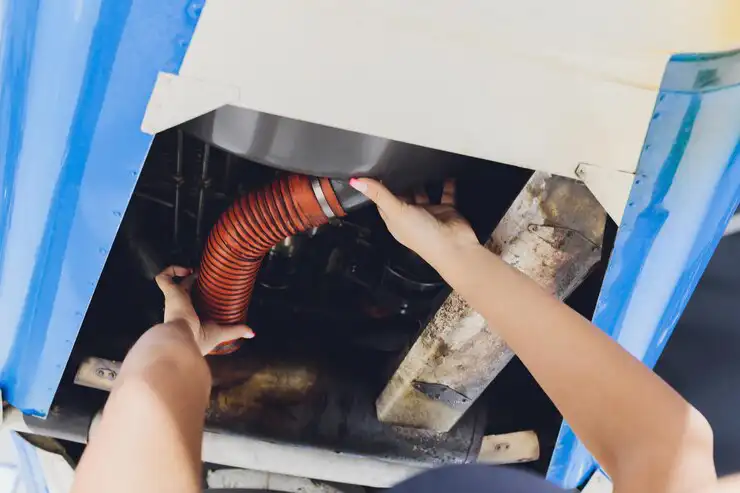
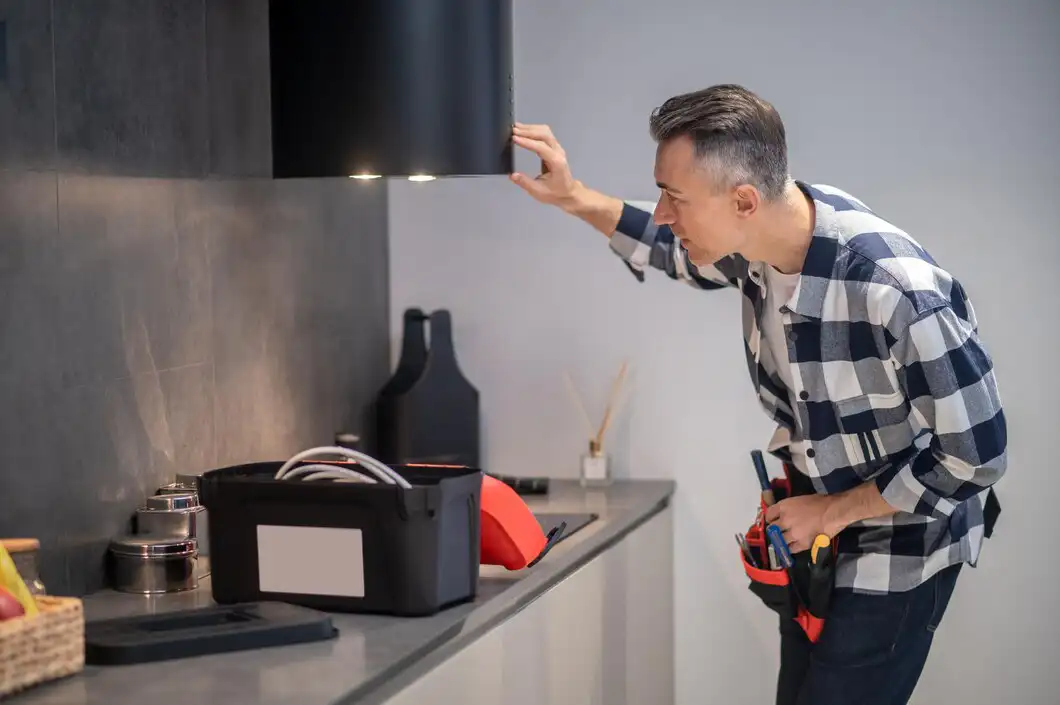
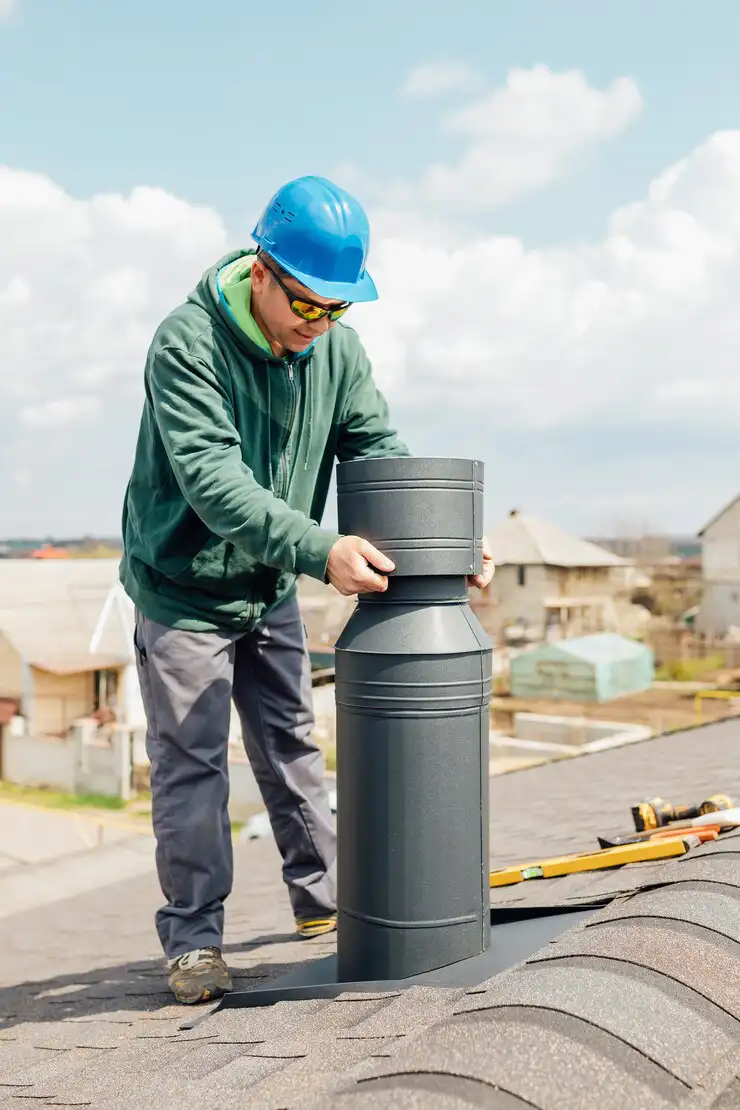
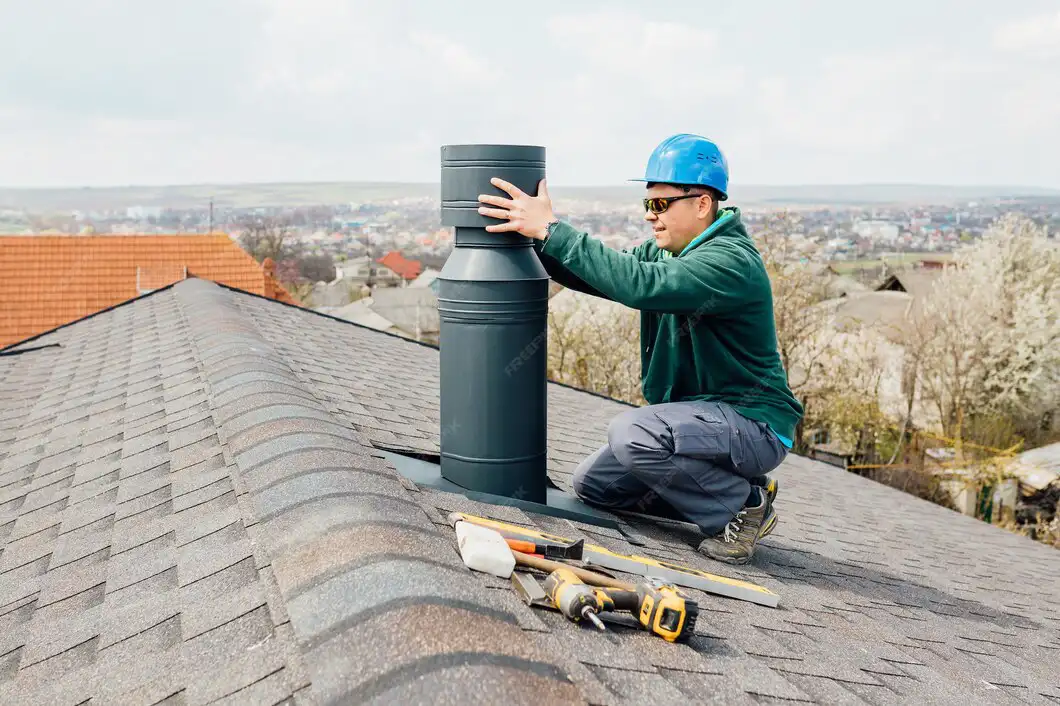
A lot of chimney problems in this area don’t start where you can see them.
We commonly find:
Homes in Countryside, Northwood Estates, and Coachman Ridge often have these issues developing quietly over time.
In Safety Harbor, we also see something unique — homes surrounded by heavy oak canopy tend to collect leaf debris around chimney tops, which traps moisture and accelerates deterioration in already humid conditions.
And in areas closer to the coast or open exposure zones, problems tend to show up faster and progress more aggressively.
This isn’t just wear and tear.
It’s environmental pressure.
Humidity stays trapped inside masonry and never fully dries
Rainwater finds its way through even small openings and keeps returning
Salt in the air speeds up corrosion on caps, dampers, and venting systems
That’s usually a sign the system is unstable — not that the problem is minor.
In neighborhoods like Dunedin border areas and central Clearwater, many of these issues show up after heavy rain cycles or long humid stretches.
Sometimes it looks like a fireplace issue — but it’s really the chimney.
Gas systems tend to fail differently.
Common issues:
A chimney cap isn’t just there to keep animals out.
It affects how the system breathes.
it can push smoke back into the house
We see this more often in Clearwater Beach and Island Estates, where wind exposure is stronger.
When you schedule an inspection, you’re not just getting a quick look.
You’re finding out:
They keep getting worse as long as moisture and weather keep hitting the system.
Many homeowners in Safety Harbor, Countryside, and coastal areas call right around this stage.
If you’ve just returned to your Clearwater home after being away for the summer, it’s a good idea to have the system checked before using it.
Months of humidity sitting inside the chimney can affect:
We focus on solving the actual problem — not just covering it up.
Negative air pressure happens when air is pulled out of the house faster than it is replaced. This can interfere with normal draft and pull smoke back into the room.
If something doesn’t feel right with your fireplace or chimney, it’s worth taking a look before it gets worse.
We’ll walk you through exactly what’s going on and what your options are — no pressure.
Monday: 7am- 6pm
Tuesday: 7am- 6pm
Wednesday: 7am- 6pm
Thursday: 7am- 6pm
Friday: 7am- 6pm
Saturday: closed
Sunday: closed
1727 Coachman Plaza Dr Suite 107, Clearwater, FL 33759, United States
Copyright © 2026 Mason Chimney Repair St Pete | All Right Reserved.