
- 1727 Coachman Plaza Dr suite 107 Clearwater FL 33759
- (727) 710-5681
- office@masonchimneyrepair.com
811 Co Rd 1, Palm Harbor, FL 34683
811 Co Rd 1, Palm Harbor, FL 34683
If you’re looking for chimney repair near me in Palm Harbor, fireplace repair, or trying to understand why your system isn’t performing the way it should, it usually means something already feels off.
Maybe it’s:
Most of the time, those aren’t small issues.
They’re signs the system has been slowly breaking down — long before it became noticeable.
In Palm Harbor, that process happens faster than most homeowners expect.
Humidity doesn’t dry out like it does up north. Rain doesn’t just hit once — it keeps coming back. And in coastal areas like Ozona and Crystal Beach, salt air quietly breaks down metal components over time.
So what looks like a simple issue on the surface is usually something deeper inside the chimney or venting system.
Palm Harbor isn’t one uniform environment.
Different parts of the area affect chimney and fireplace systems in different ways.
Coastal Areas (Ozona, Crystal Beach, Baywood Village)
Salt air exposure accelerates corrosion on caps, dampers, and venting systems. Wind-driven rain increases water entry from the top and keeps repeating the same stress points.
Central Palm Harbor (Lake St. George, Winding Wood, Country Woods)
Systems tend to develop slow moisture buildup, aging materials, and leak patterns that go unnoticed until visible damage appears.
East Lake / Lansbrook / Ridgemoor Areas
Newer systems, but still affected by improper cap sizing, venting behavior, and repeated storm exposure that changes airflow patterns.
Older Communities (Highland Lakes, Village on the Green)
Older masonry systems with long-term exposure tend to show liner wear, crown failure, and internal deterioration.
Homes closer to the Dunedin side often show long-term moisture exposure patterns, while homes closer to Oldsmar tend to experience mixed venting behavior depending on wind and layout.
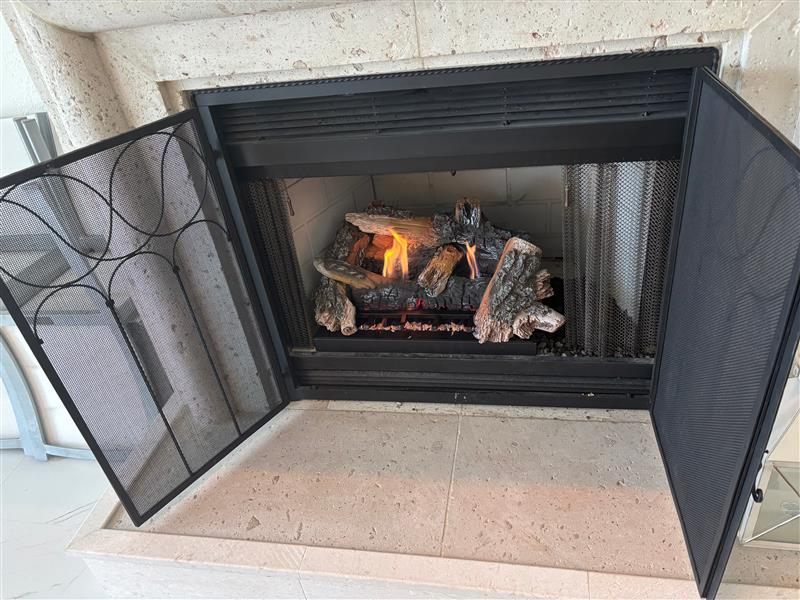
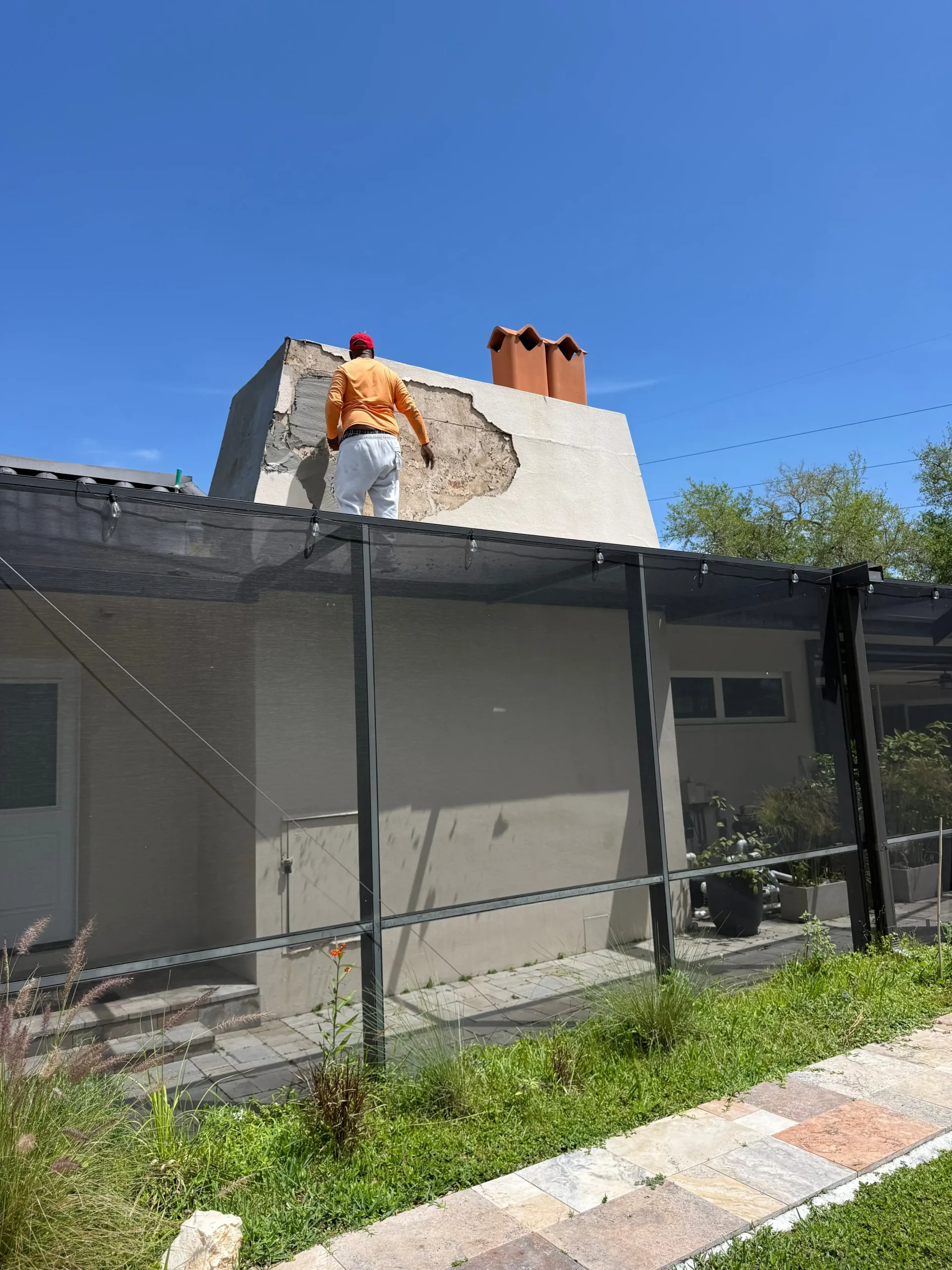
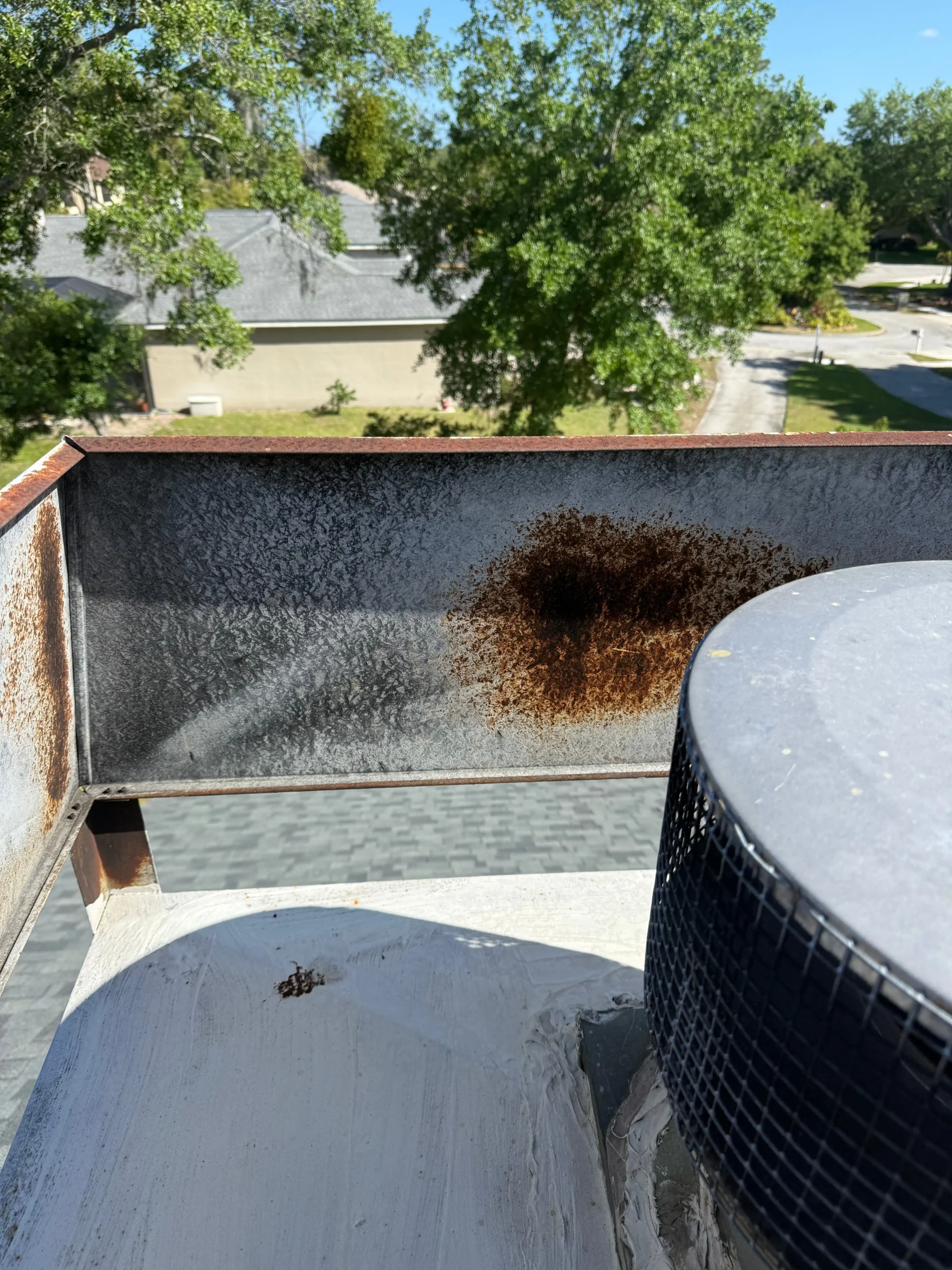
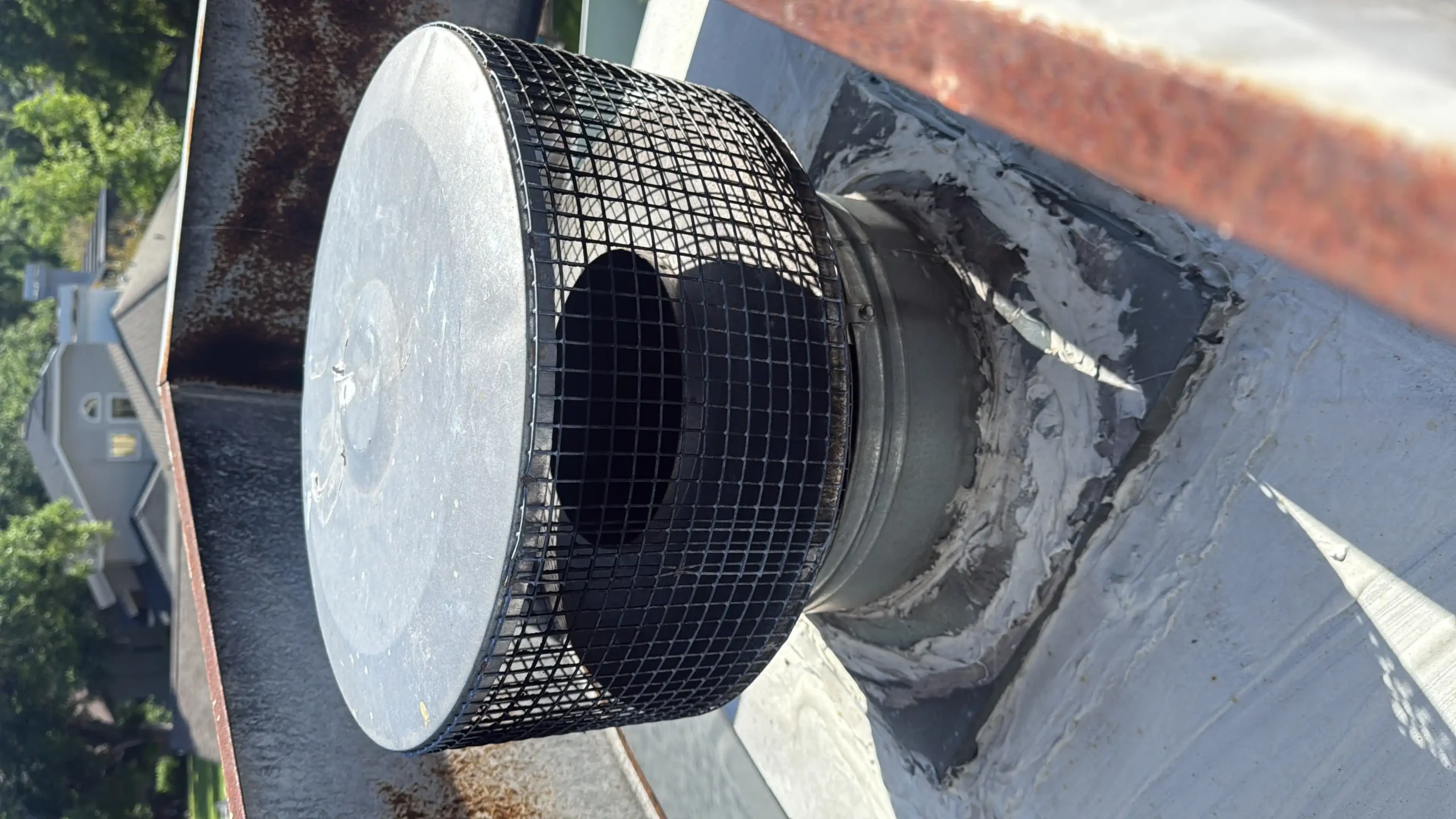
Most chimney and fireplace issues don’t start where you can see them.
We commonly find:
In Ozona and Crystal Beach, deterioration tends to move faster due to exposure.
In Lansbrook, Ridgemoor, and East Lake, issues often come from how the system interacts with wind and venting.
In central Palm Harbor, problems usually develop slowly and become visible only after repeated rain cycles.
This isn’t just wear and tear.
A proper chimney inspection in Palm Harbor isn’t just about spotting damage — it’s about identifying the source of the issue before it spreads.
Most inspections take less than an hour and give you a clear understanding of what’s actually happening and what needs to be fixed.
Sometimes it looks like a fireplace issue — but it’s actually the chimney.
Gas systems tend to fail differently.
Common issues:
A chimney cap isn’t just there to keep animals out.
It directly affects how the system breathes.
It can push smoke back into the house.
This is more common in open and coastal areas where wind patterns are stronger and more consistent.
When you schedule a chimney inspection or fireplace evaluation in Palm Harbor, you’re not just getting a quick look.
You’re finding out:
In Palm Harbor, problems don’t stay the same.
They keep getting worse as long as moisture and weather keep hitting the system.
Homes on the Palm Harbor side near Dunedin often experience a different pattern of chimney and fireplace issues.
In areas like:
On the Palm Harbor side closer to Oldsmar, systems behave differently.
In areas like:
To see how these systems behave in different nearby environments.
→ Chimney repair in Clearwater and → Chimney repair in St. Petersburg
Palm Harbor’s humidity and repeated storm exposure keep chimney materials damp for longer periods. Over time, this increases the chance of leaks, corrosion, and internal system damage.
Older systems, coastal exposure, and installation differences all contribute to chimney and fireplace problems developing faster in this area.
If you’re dealing with a chimney leak, draft issue, or fireplace problem in Palm Harbor, it’s usually not something that fixes itself.
Getting a proper inspection early helps prevent bigger repairs and keeps the system operating the way it was designed to.
If you’re seeing water after rain, smelling odors during humidity, or noticing smoke not drafting correctly, those are usually signs the system is already under stress. In Palm Harbor, repeated humidity and storm exposure tend to make these problems worse over time rather than stay the same.
Most chimney leaks in Palm Harbor come from the top of the system — not where the water shows up inside. Common causes include worn chimney caps, cracked crowns, damaged flashing, or failing chase covers. Coastal exposure in areas like Ozona and Crystal Beach can accelerate this process.
Yes. Intermittent issues usually mean the system is unstable. In Palm Harbor, changes in humidity, wind, and rain can trigger the same problem repeatedly under certain conditions, even if it doesn’t happen every day.
Most chimney and fireplace inspections in Palm Harbor take less than an hour. The goal is to identify where the issue is starting, how far it has progressed, and what needs to be fixed before it becomes more serious.
Yes. Many service calls in Palm Harbor involve gas fireplaces. Common issues include ignition delays, inconsistent flame, and shutdown during operation. These are often related to venting, moisture, or component wear.
Sometimes what looks like a fireplace issue is actually coming from the chimney, and sometimes it’s the opposite. Draft issues, smoke problems, and performance changes often involve both systems working together.
Palm Harbor has constant humidity, repeated rain cycles, and in some areas coastal exposure. That combination keeps moisture inside the system longer and continues stressing the same weak points, causing problems to progress faster than in drier climates.
Yes. We regularly work in Palm Harbor as well as nearby areas on the Dunedin side and Oldsmar side. Homes in these areas can show slightly different patterns depending on exposure, layout, and airflow conditions.
If something doesn’t feel right with your fireplace or chimney, it’s worth taking a look before it gets worse.
We’ll walk you through exactly what’s going on and what your options are — no pressure.
Open 24 hours
811 Co Rd 1, Palm Harbor, FL 34683
Copyright © 2026 Mason Chimney Repair St Pete | All Right Reserved.